Service Area — TX
Pallet racking in Houston, TX.
Pallet racking, inspection, repair & engineering — serving Houston businesses with local expertise.
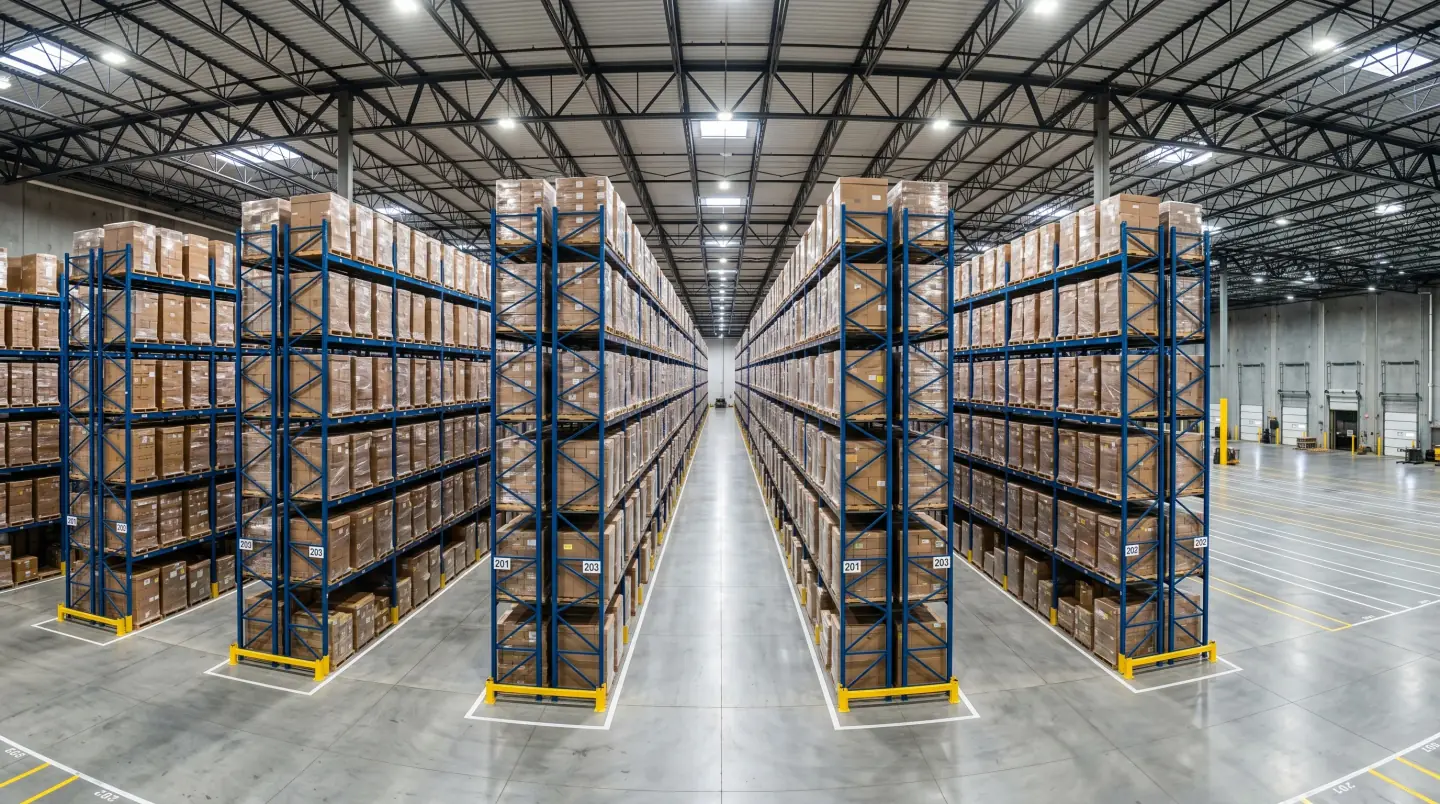
Serving Houston, TX and surrounding areas. Get a free estimate today.
What we do here
Pallet Racking Services in Houston
Pallet rack installation, rack repair and safety inspections, permits and engineering, used rack buying and selling, and warehouse design — all available to Houston warehouses. Tap any card for full details, specs, and FAQs.
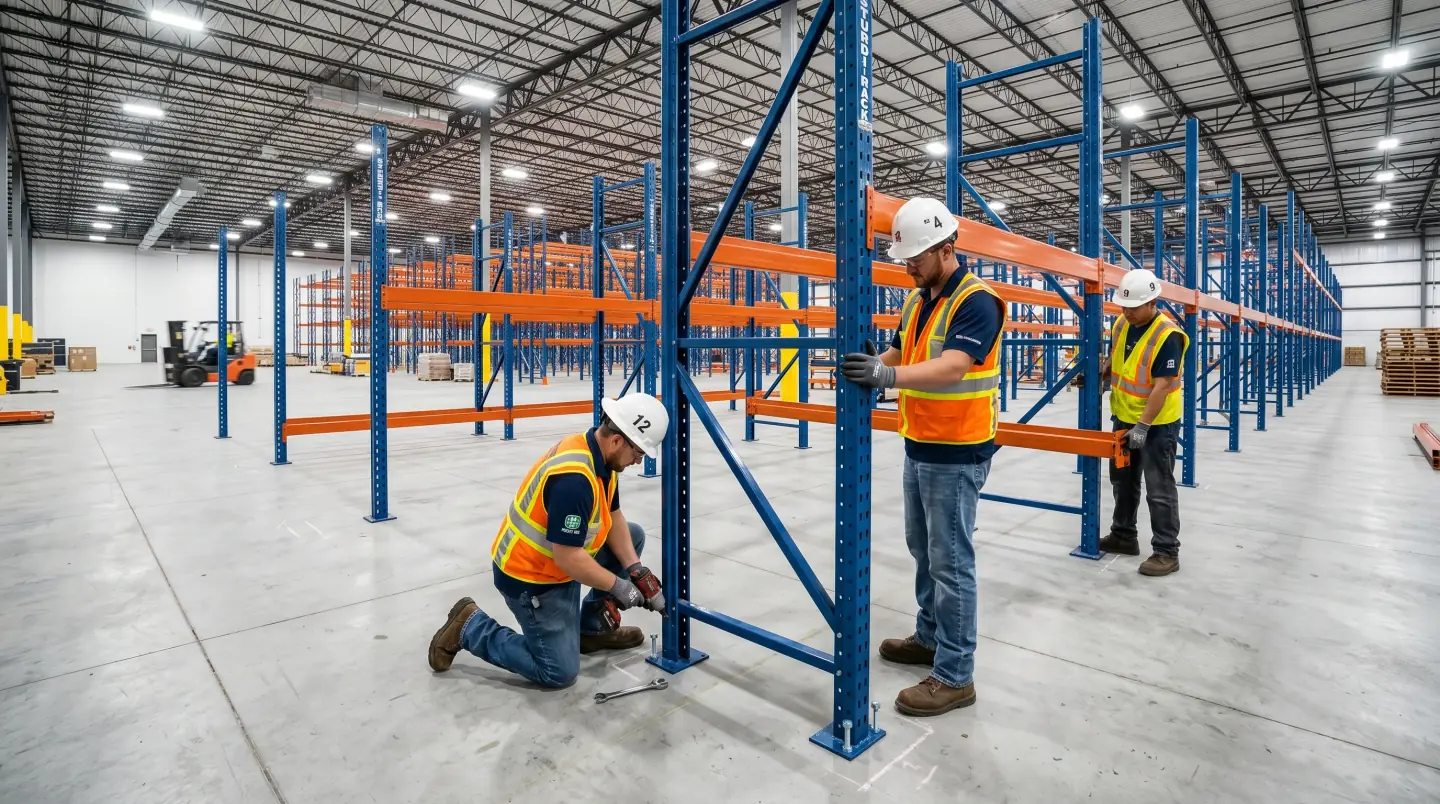
Pallet Racking Installation
Our Houston team delivers expert pallet rack installation and warehouse racking installation throughout Greater Houston, Houston, Baytown, Pasadena, Rosenberg, Brookshire, and all of Greater Houston.
Learn More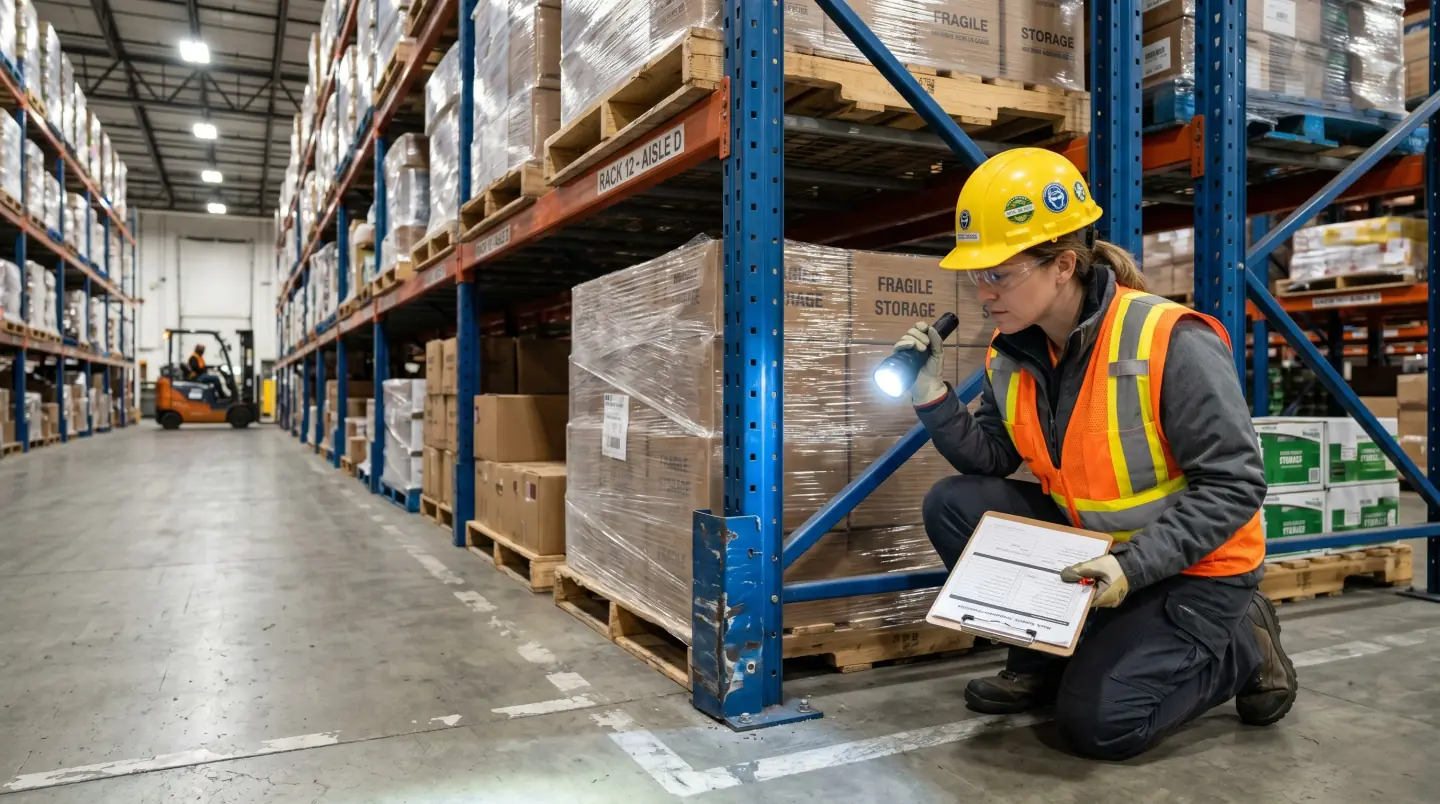
Rack Inspection & Repair
Our Houston team provides comprehensive rack inspection, repair, and ongoing audit services for warehouses throughout Greater Houston.
Learn More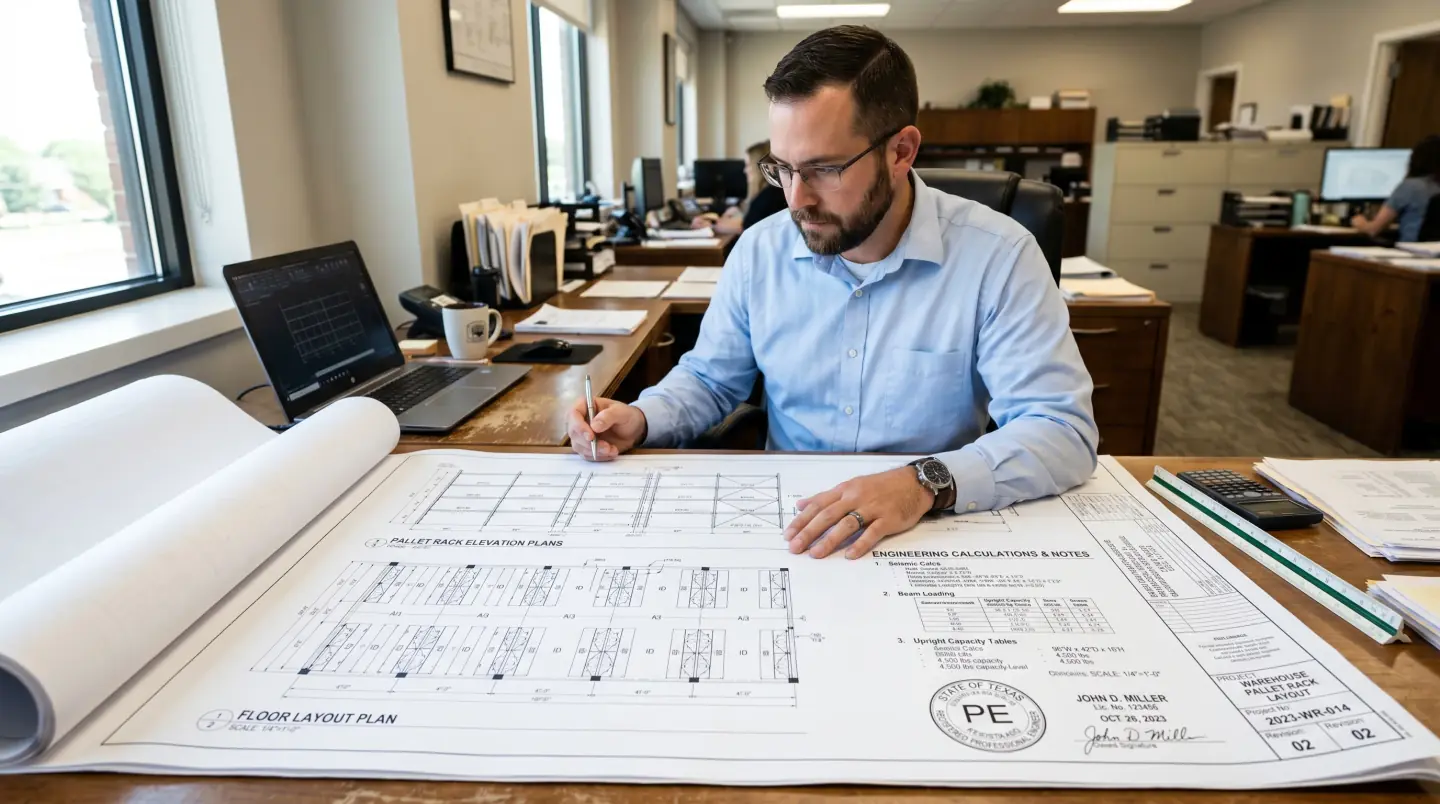
Engineering & Permitting
Our Houston team provides complete engineering and permitting services for racking projects throughout Houston, TX and the broader Greater Houston.
Learn More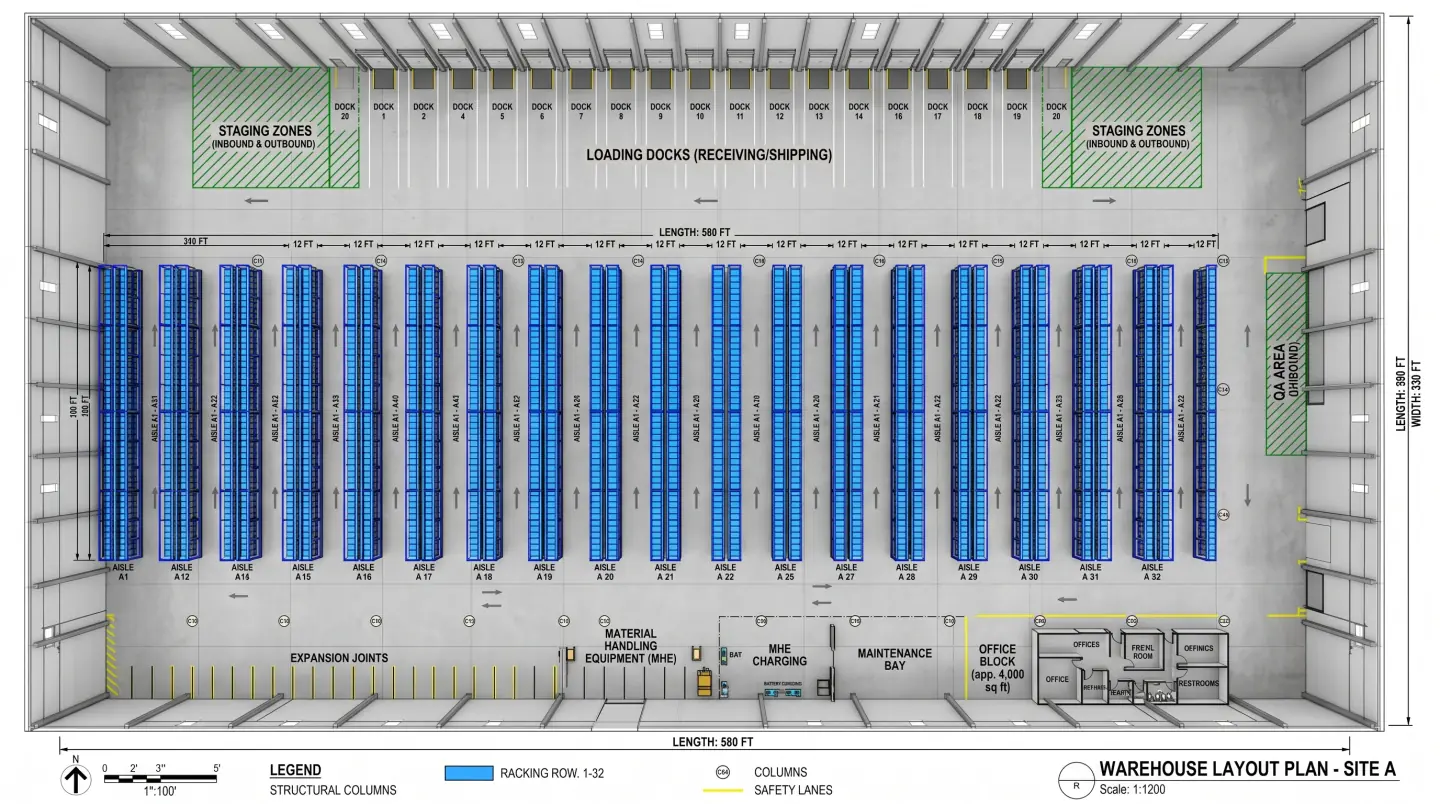
Warehouse Design & Space Planning
Our Houston team provides professional warehouse design and space planning services for businesses throughout Greater Houston.
Learn More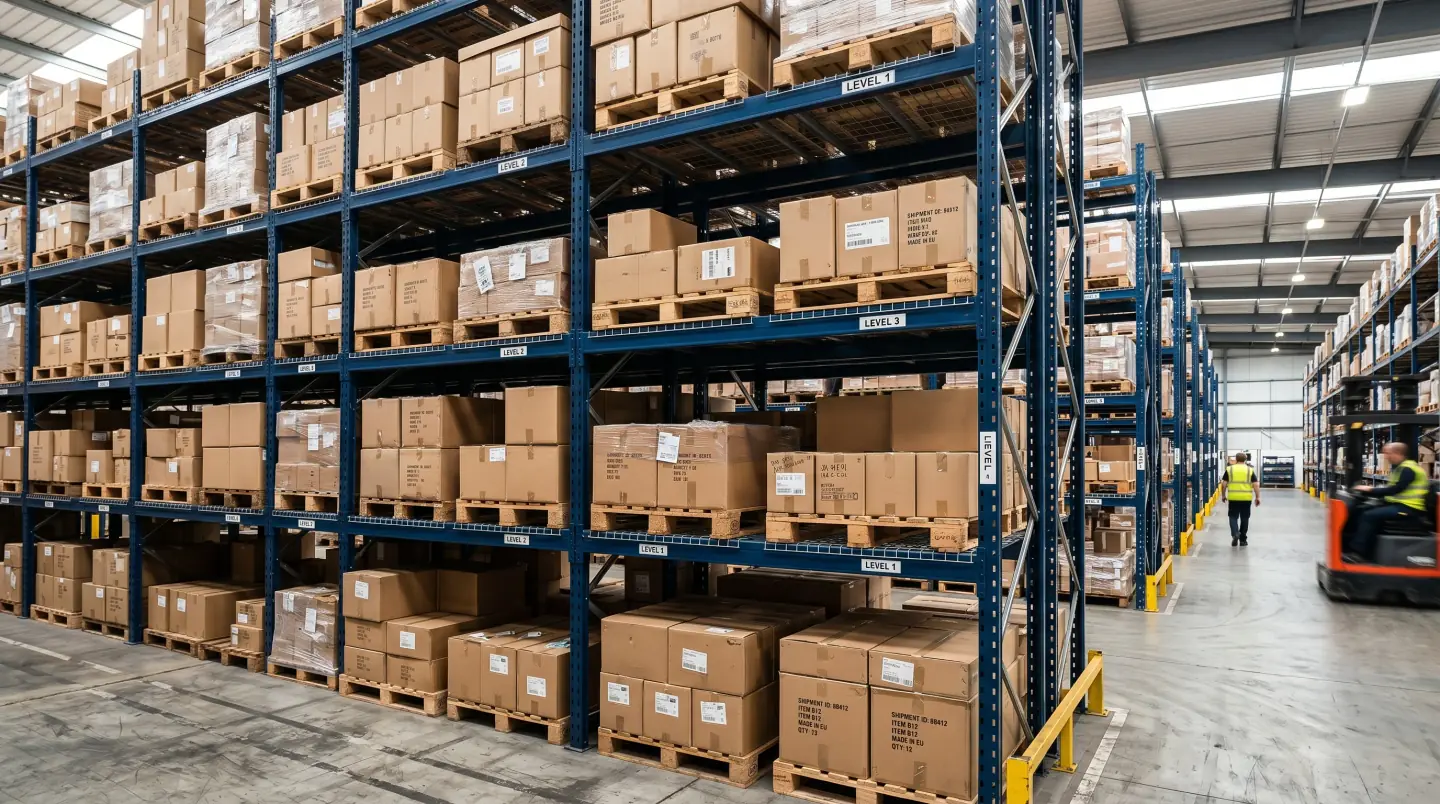
Used Rack Buyback
Our Houston team buys used pallet racking and surplus warehouse rack from businesses closing, relocating, downsizing, or upgrading anywhere in Harris, Fort Bend, Montgomery, Waller, Chambers and Brazoria counties.
Learn More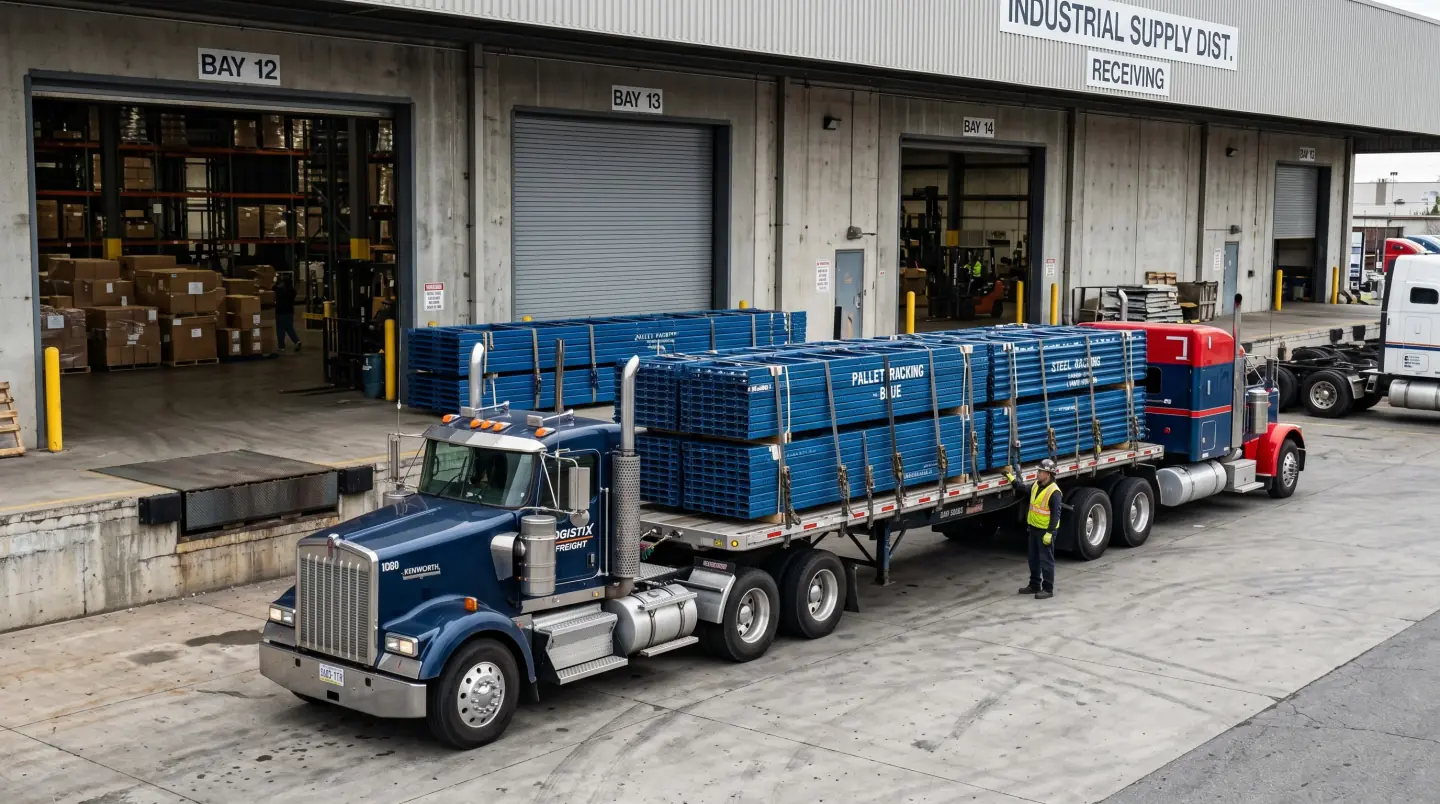
Delivery & Relocation
Our Houston team handles the full spectrum of racking logistics — from straightforward material delivery to complete rack system relocations — for warehouses throughout Greater Houston.
Learn More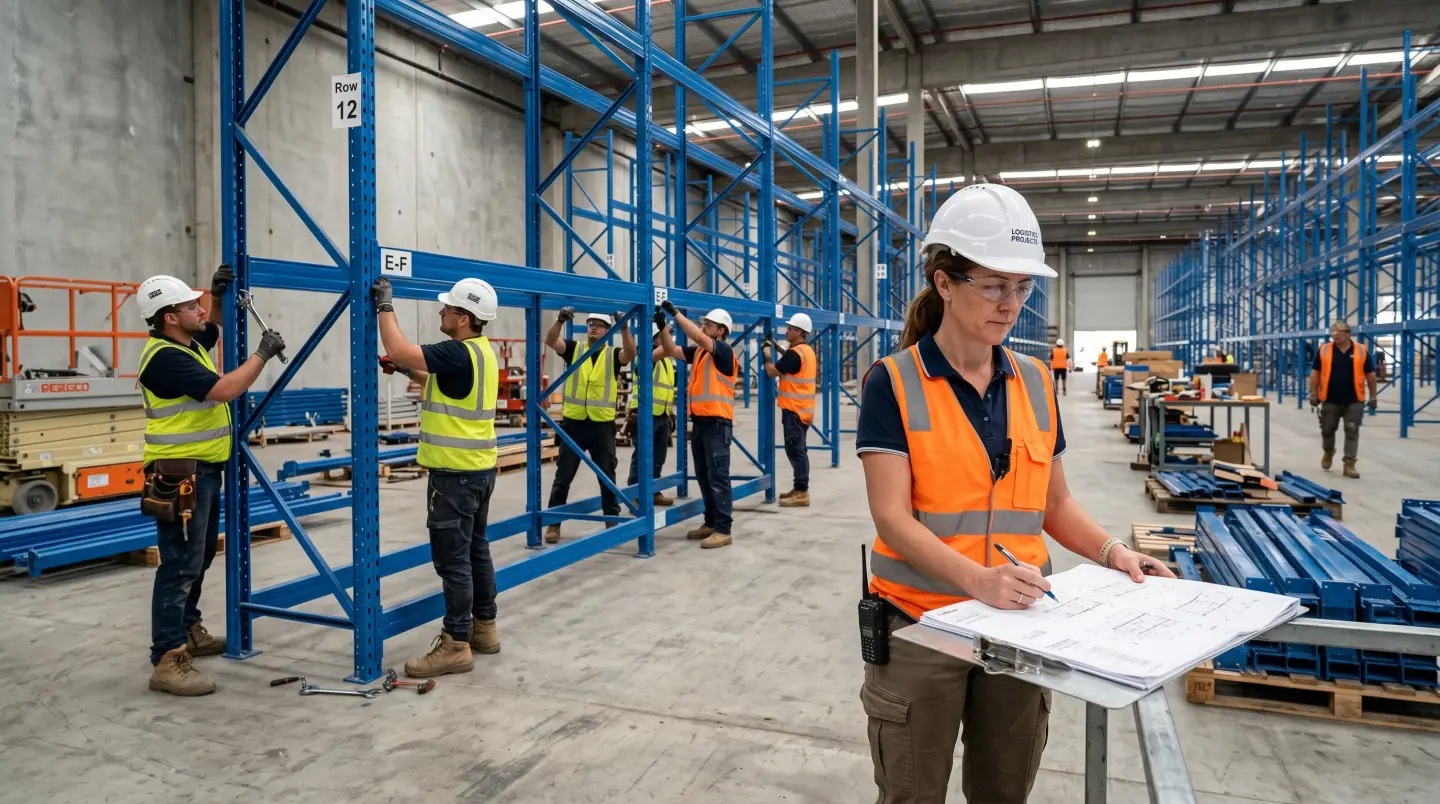
Project & Installation Management
Our Houston team provides end-to-end project and installation management services for warehouse racking projects of all sizes throughout Greater Houston.
Learn More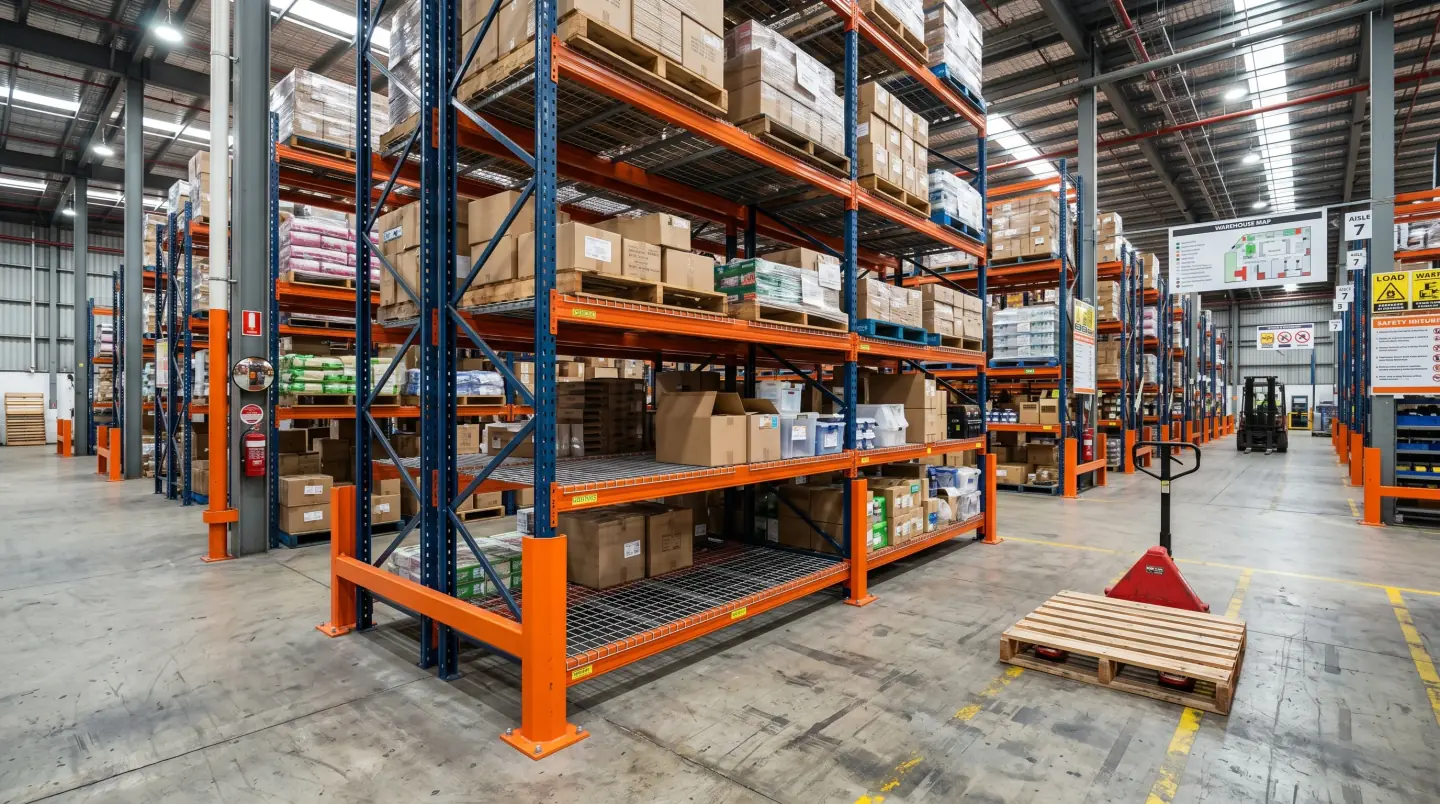
Material Handling Equipment
A complete warehouse storage solution goes beyond racking — it requires the right material handling equipment to keep product moving safely and efficiently.
Learn MoreWhat we sell
Rack & Storage for Houston
New and used pallet rack, delivered and installed across Houston. Backed by Alliance Material Handling, equipping mid-Atlantic warehouses for 70+ years.
Pallet Racking & Shelving
Greater Houston Pallet Racking supplies and installs a comprehensive range of pallet racking and shelving systems for warehouses, distribution centers, and storage facilities throughout Greater Houston.
View Product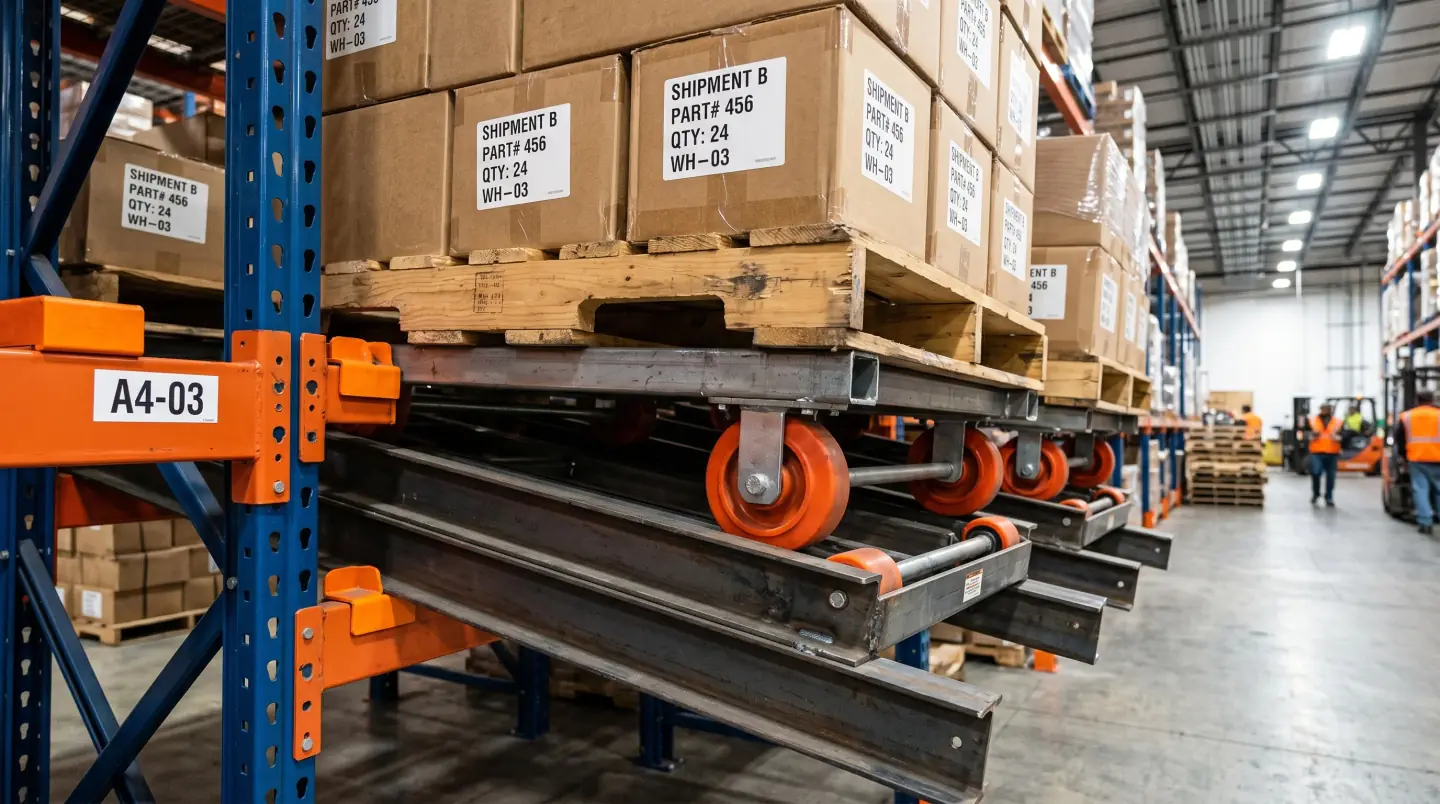
Pushback Rack
Pushback rack is a high-density cart-based storage system that stores 2 to 6 pallets deep in each lane on gently inclined rails.
View Product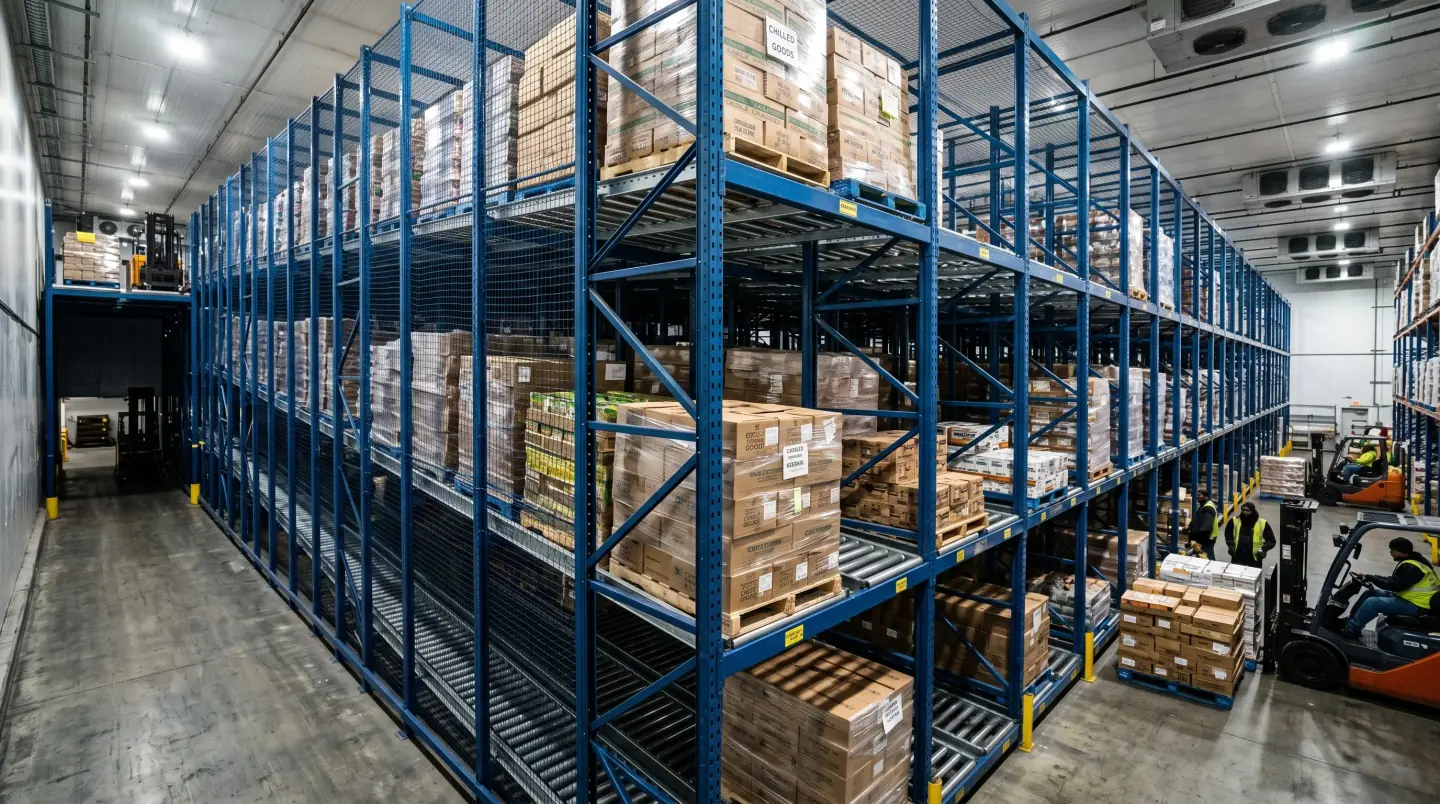
Pallet Flow Rack
Pallet flow rack is a gravity-fed deep-lane storage system where pallets are loaded at the back of a lane, roll forward automatically on inclined roller tracks, and arrive at the pick face in FIFO (first in, first out) order.
View Product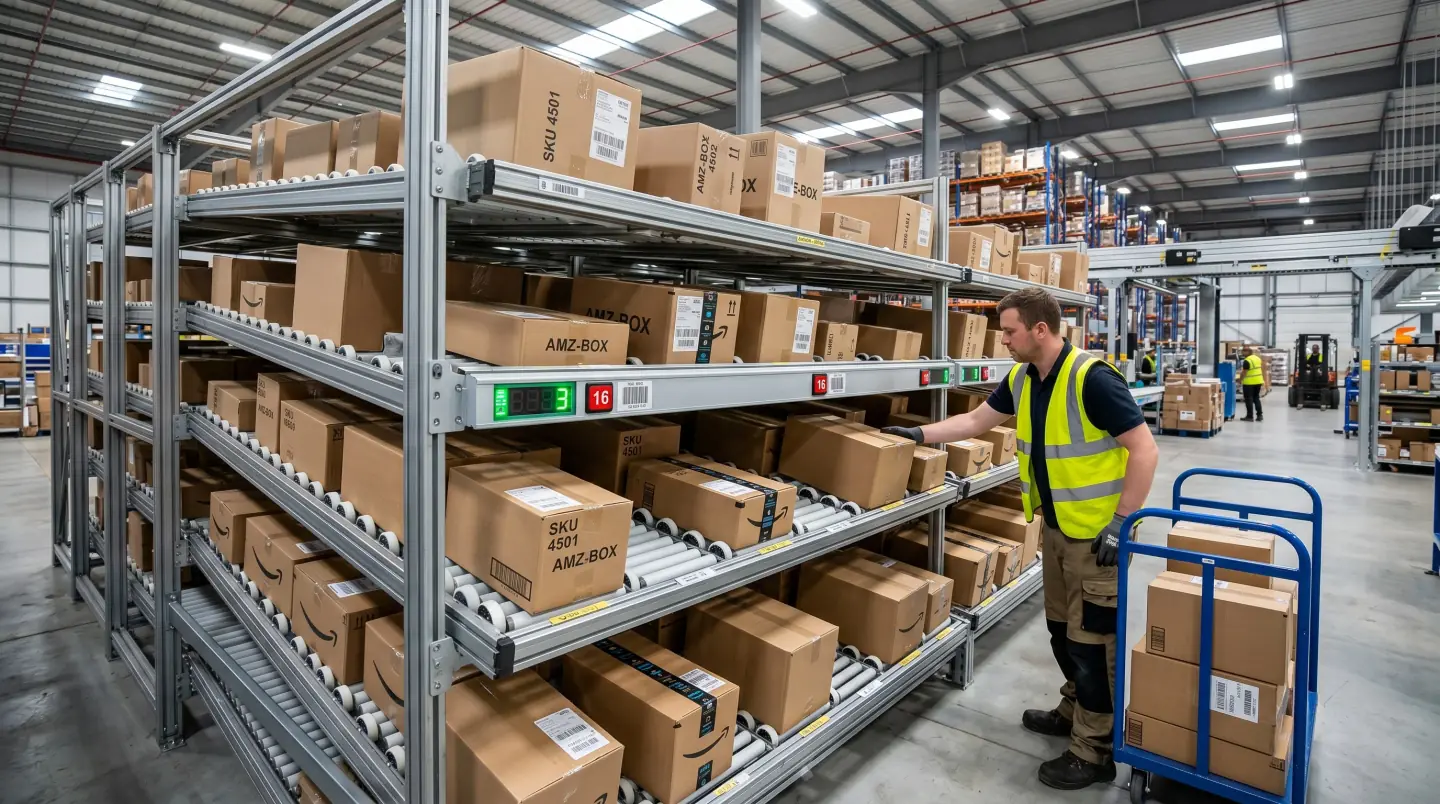
Carton Flow Rack
Carton flow rack is a gravity-fed dynamic storage system built for case and carton picking — not full pallets.
View Product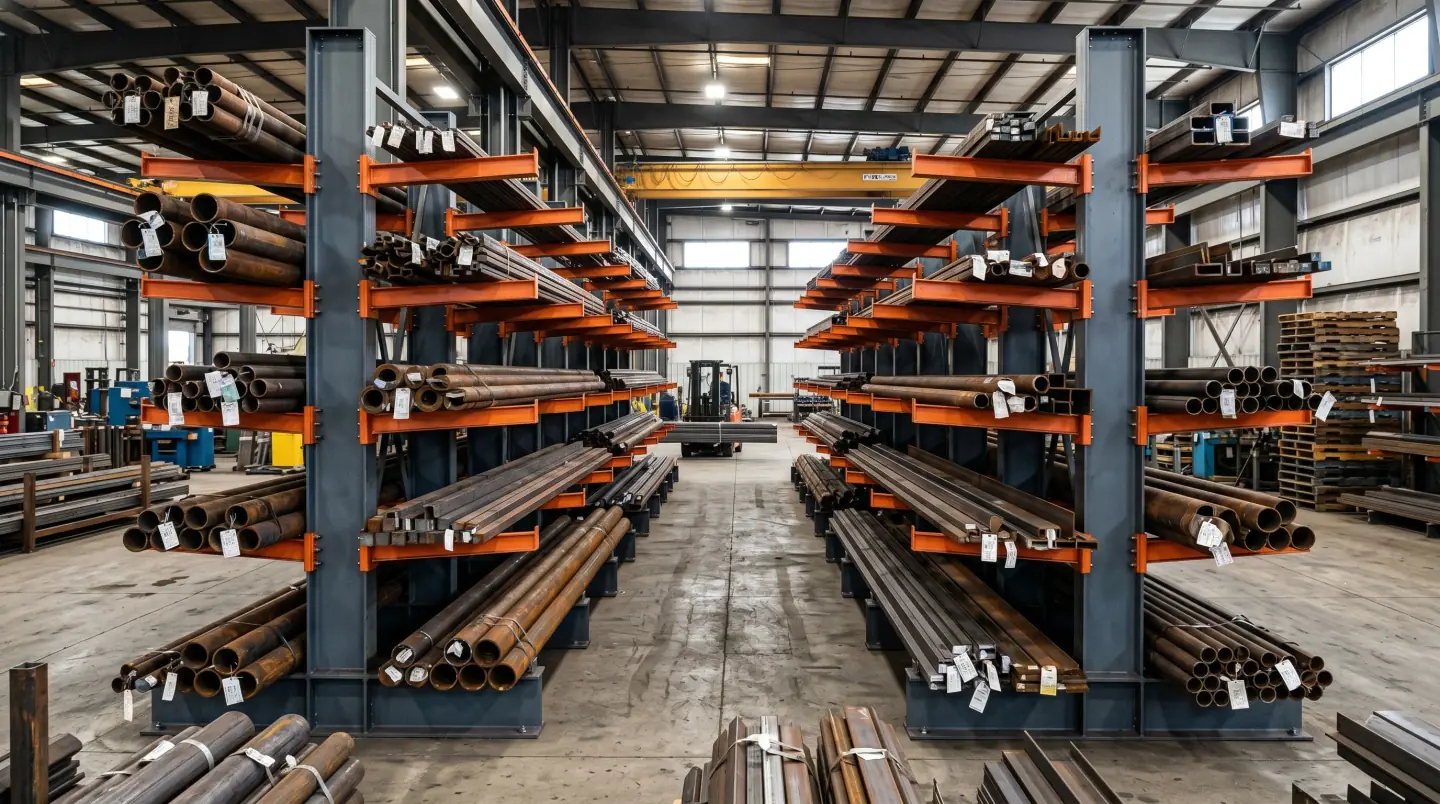
Cantilever Rack
Cantilever rack is the purpose-built storage system for long loads — material that is longer than a standard pallet and often cannot be palletized at all.
View Product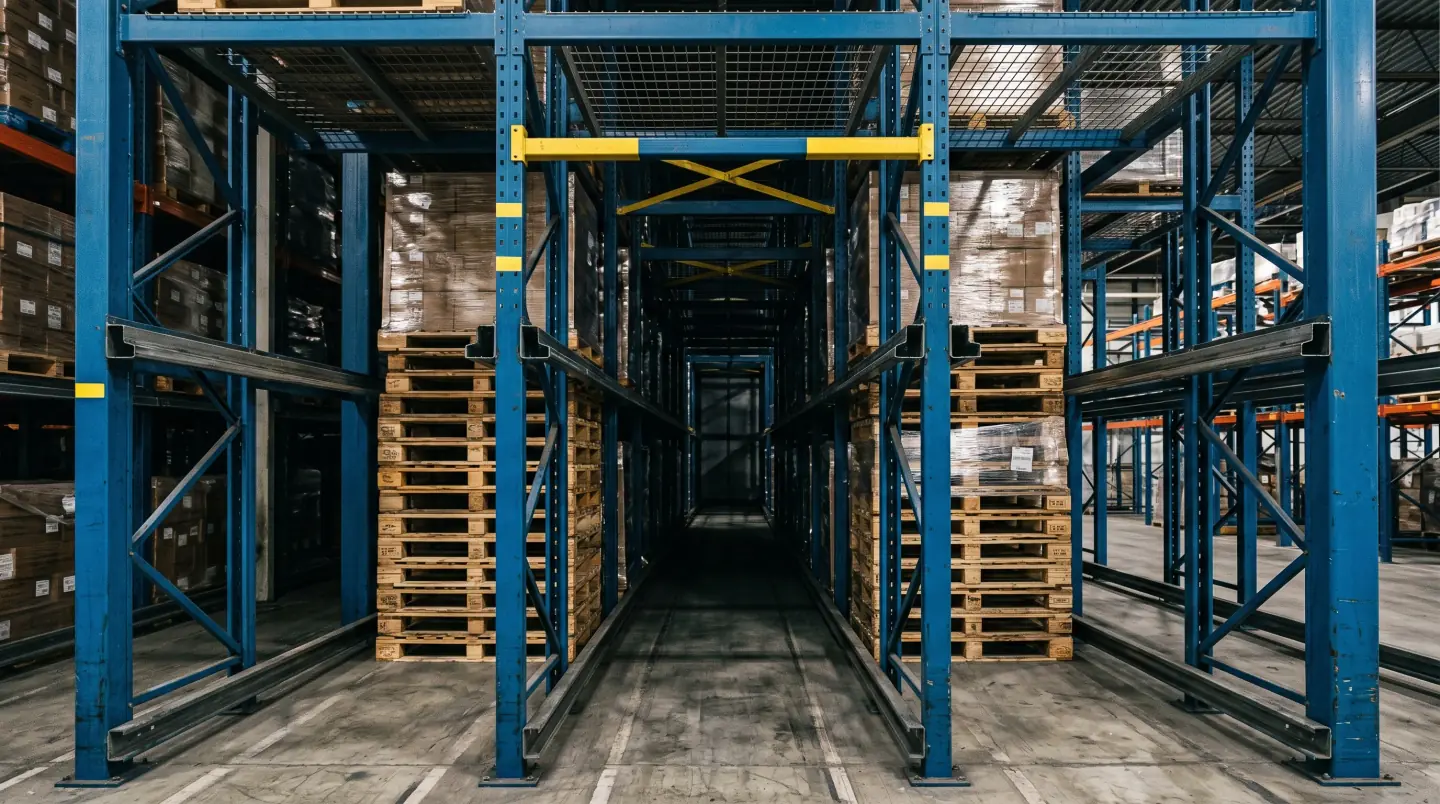
Drive-In Pallet Rack
Drive-in pallet rack is the highest-density pallet storage system outside of full automation.
View ProductAdditional Equipment
Mezzanines, modular offices, conveyors, lift tables & partitions for Houston.
View All EquipmentLocal specs
Houston at a glance
Codes & permits
- Typical clear heights: 18–26 ft clear in older stock, 32–40 ft clear in newer buildings.
- Local racking work mostly supports energy and oilfield equipment, chemical and resin distribution, regional consumer-goods distribution, and building-products wholesale.
- Older buildings — mid-century oilfield-service and light-manufacturing buildings inside Beltway 8, on slabs poured for machine tools rather than rack anchors (18–26 ft clear) — need slab thickness and reinforcement verified before specifying anchors.
- Newer Northwest corridor speculative distribution along US-290 and Beltway 8 (32–40 ft clear, ESFR sprinklers) frequently have post-tension slabs that require cable mapping before drilling.
- Submit building and Houston Fire Department fire marshal's office high-piled storage reviews the same day so they run concurrently.
Local expertise
Pallet racking in Houston, TX
Houston is the fourth-largest city in the United States and the centre of one of the three largest industrial markets in the country — roughly 871 million square feet across about 30 submarkets. Its warehouse stock is unusually layered even by big-market standards. Inside Beltway 8 you find mid-century oilfield-service and light-manufacturing buildings running 18-to-26-foot clear on slabs poured for machine tools rather than rack anchors. The Northwest corridor along US-290 and Beltway 8 is where the modern speculative development is, at 32-to-40-foot clear with ESFR sprinklers. The East End toward the Houston Ship Channel is heavy-industrial and chemical-adjacent, where the commodity stored often matters more to the fire code than the building does. Houston is also the largest American city with no zoning: land use is governed instead by Chapter 42 of the Code of Ordinances and by private deed restrictions, so what limits a site here is rarely a zoning map. Permitting for work inside city limits runs through the Houston Permitting Center, and the 2021 Houston Fire Code requires an operational permit for more than 2,500 square feet of high-piled combustible storage including aisles.
Houston Industrial Submarkets: Northwest, East End, Southwest, and Inside the Loop
Houston's warehouse corridors each demand a different racking approach — modern speculative cube, chemical-adjacent Ship Channel stock, and older service-industry buildings inside the Loop.
- Northwest (US-290 / Beltway 8 / SH-249) — 32–40 ft clear, modern speculative distribution and one of the most actively built corridors in the metro. Default: taller selective with push-back or pallet flow lanes for higher-velocity SKUs.
- East End / Ship Channel — 20–32 ft clear, chemical-adjacent and packaging stock. Default: selective and drive-in, with commodity classification checked first, because Group A plastics are a high-hazard commodity, which drops the high-piled trigger from 12 ft to 6 ft — and a great deal of resin and plastics product classifies that way.
- Southwest (US-59/I-69 and US-90A) — 24–32 ft clear, mixed distribution and light assembly. Default: selective with double-deep where bay depth allows.
- Inside Beltway 8 / older service stock — 18–26 ft clear, oilfield-service and light manufacturing with irregular column grids and slabs of unverified thickness. Default: shorter selective runs and cantilever for long goods; slab coring before anchor design rather than after.
From the Northwest corridor's speculative cube to the oilfield-service stock inside Beltway 8, permits route through the Houston Permitting Center. Older service buildings inside Beltway 8 need the slab cored and the real column grid surveyed before an anchor detail is issued.
Pallet Racking Services in Houston, TXCREWS DISPATCHED METRO-WIDE
VIEW ON GOOGLE MAPS ↗Straight answers
Houston questions
1 Do I need a permit to install pallet racking in Houston, TX?
Inside Houston city limits, yes — the Houston Permitting Center reviews commercial construction, and under the 2021 Houston Fire Code an operational permit is required to use a building or portion of one with more than 2,500 square feet of high-piled combustible storage including aisles, with a floor plan showing stockpile and aisle dimensions submitted with the application. Confirm the address is genuinely inside the city first: much of the metro is unincorporated Harris County, where the threshold is 500 square feet and a construction permit is required as well. We manage the complete permitting process from drawings through permit issuance.
2 What ceiling heights are common in Houston warehouses?
It depends heavily on the submarket. Modern Northwest and Grand Parkway speculative buildings run 32-to-40-foot clear. East End and Ship Channel stock is typically 20-to-32-foot. Older service and light-manufacturing buildings inside Beltway 8 can be 18-to-26-foot with obstructed bays. We always spec upright heights against the lowest sprinkler head and the lowest obstruction in the bay, not the structural deck.
3 Does Houston having no zoning make racking permits easier?
It changes what you check, not how much you check. Houston has no zoning ordinance, so there is no use-district approval to clear before a building permit. What replaces it is Chapter 42 of the Code of Ordinances and private deed restrictions recorded against the subdivision, which the city will enforce but does not publish in one place. None of that removes the construction permit, the fire review, or the engineering. On the racking side the work is identical: sealed drawings, load calculations, and a high-piled combustible storage plan where the commodity and height trigger one.
Go deeper
Guides for Houston
Where We Work
Greater Houston Locations We Serve
Pallet racking installation, inspection & repair, and warehouse storage across Greater Houston.
Houston TX
YOU ARE HERE
Pasadena TX
View Services →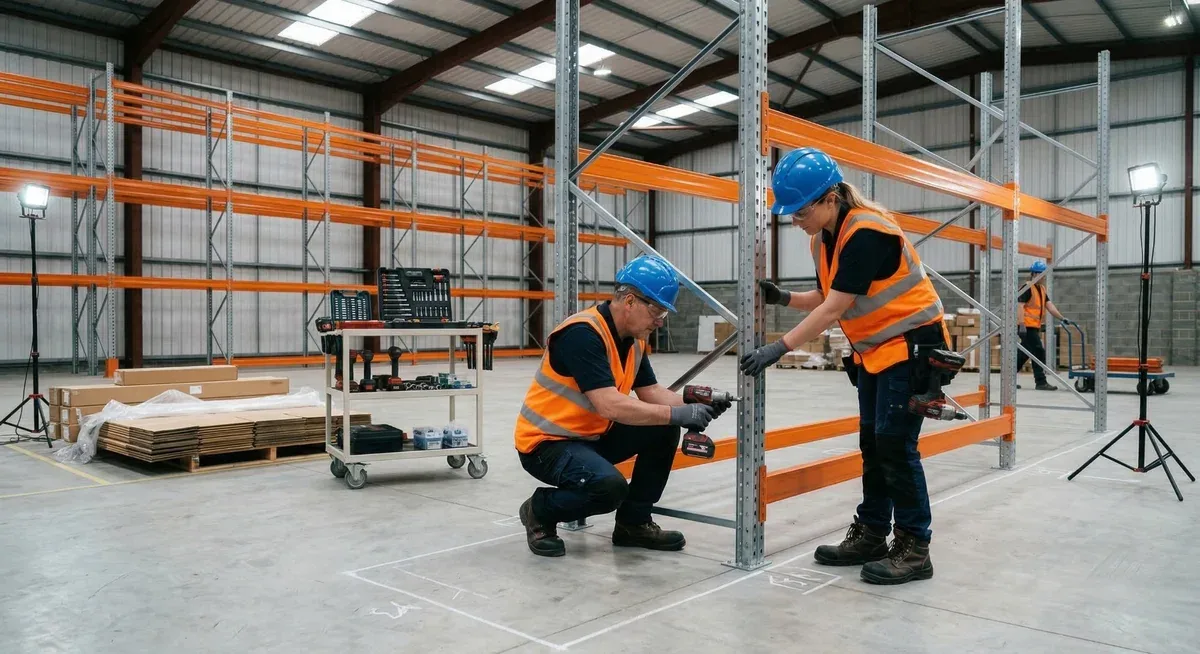
Deer Park TX
View Services →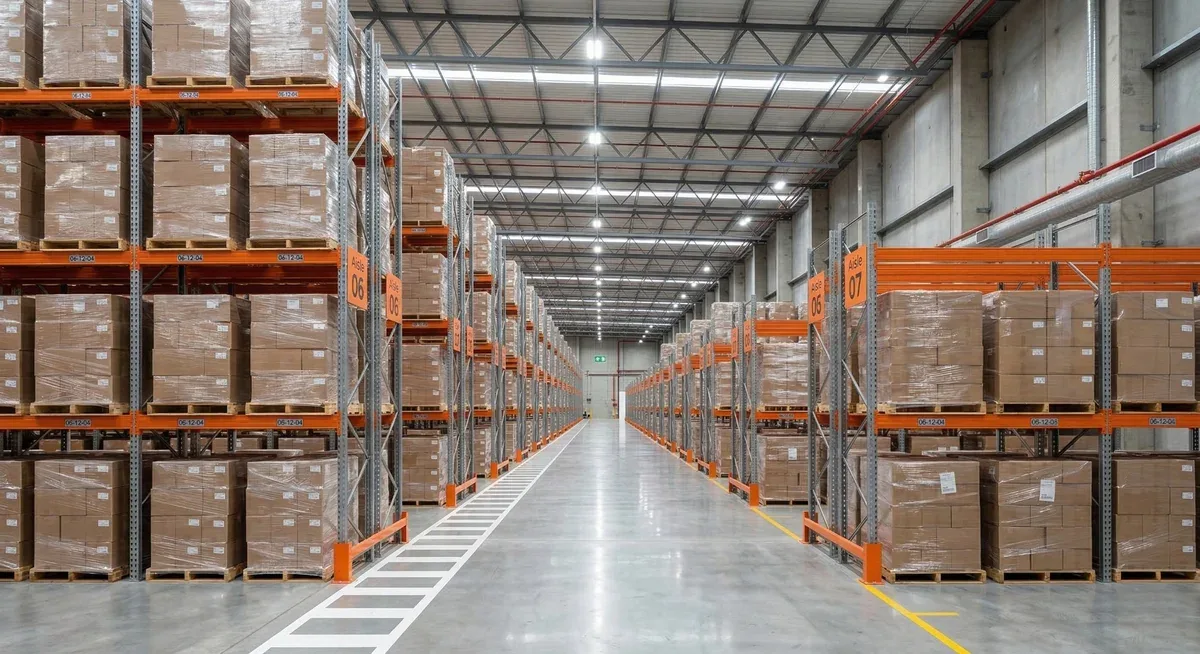
La Porte TX
View Services →
Baytown TX
View Services →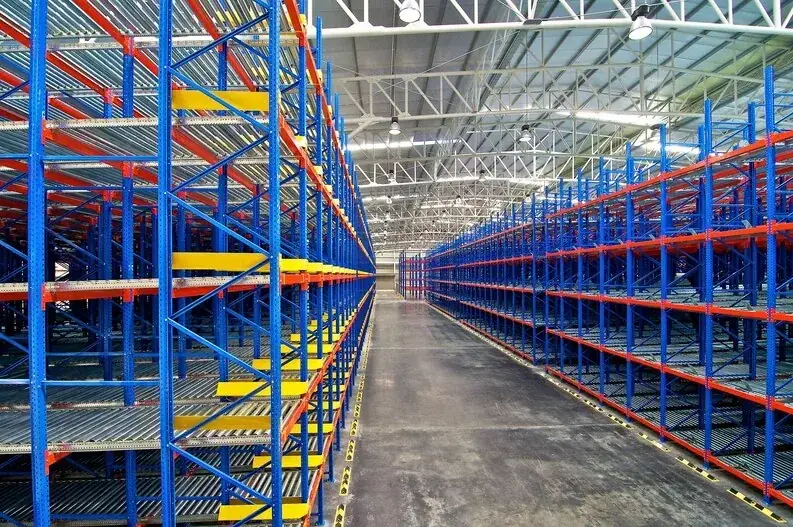
Katy TX
View Services →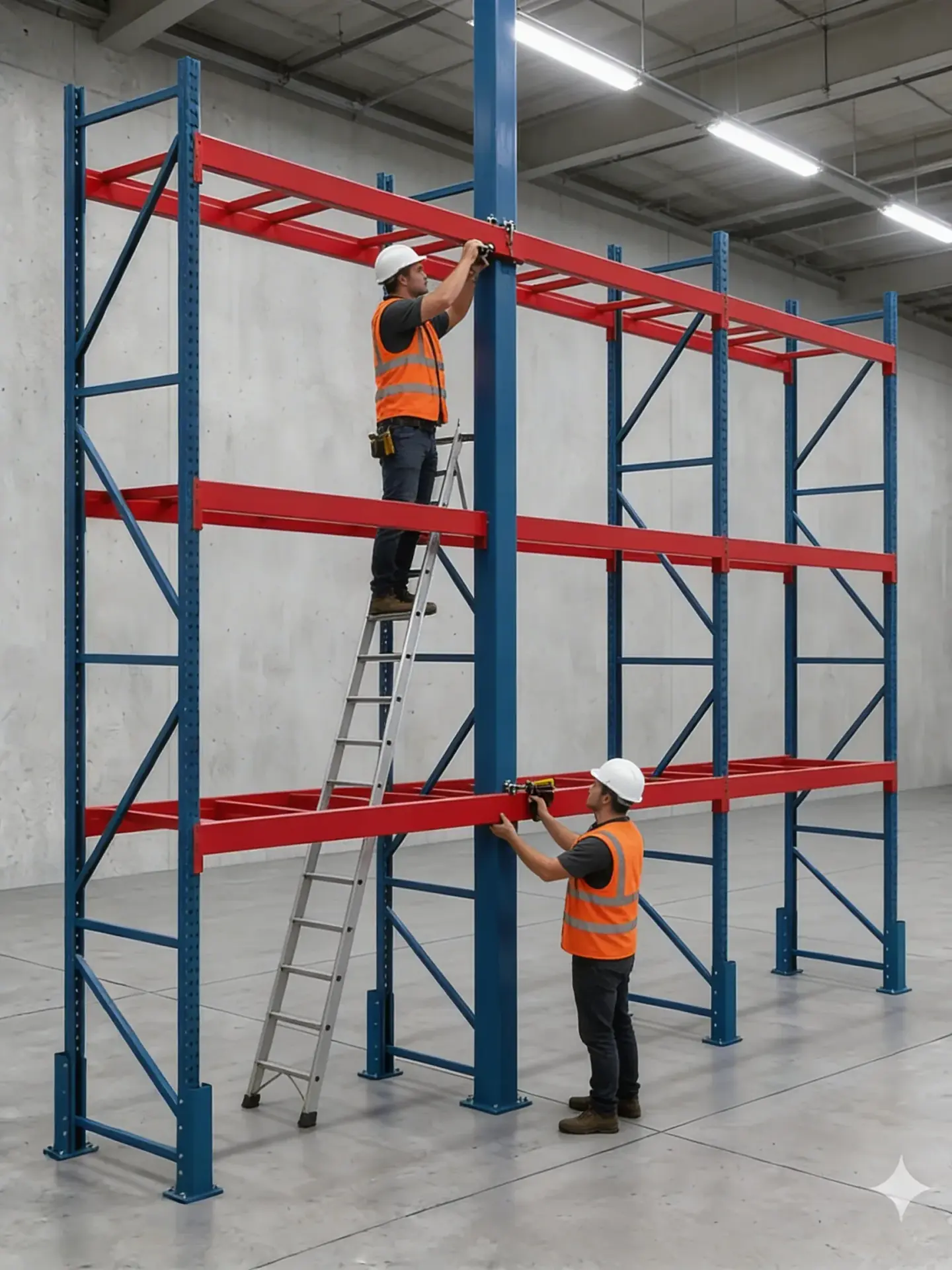
Brookshire TX
View Services →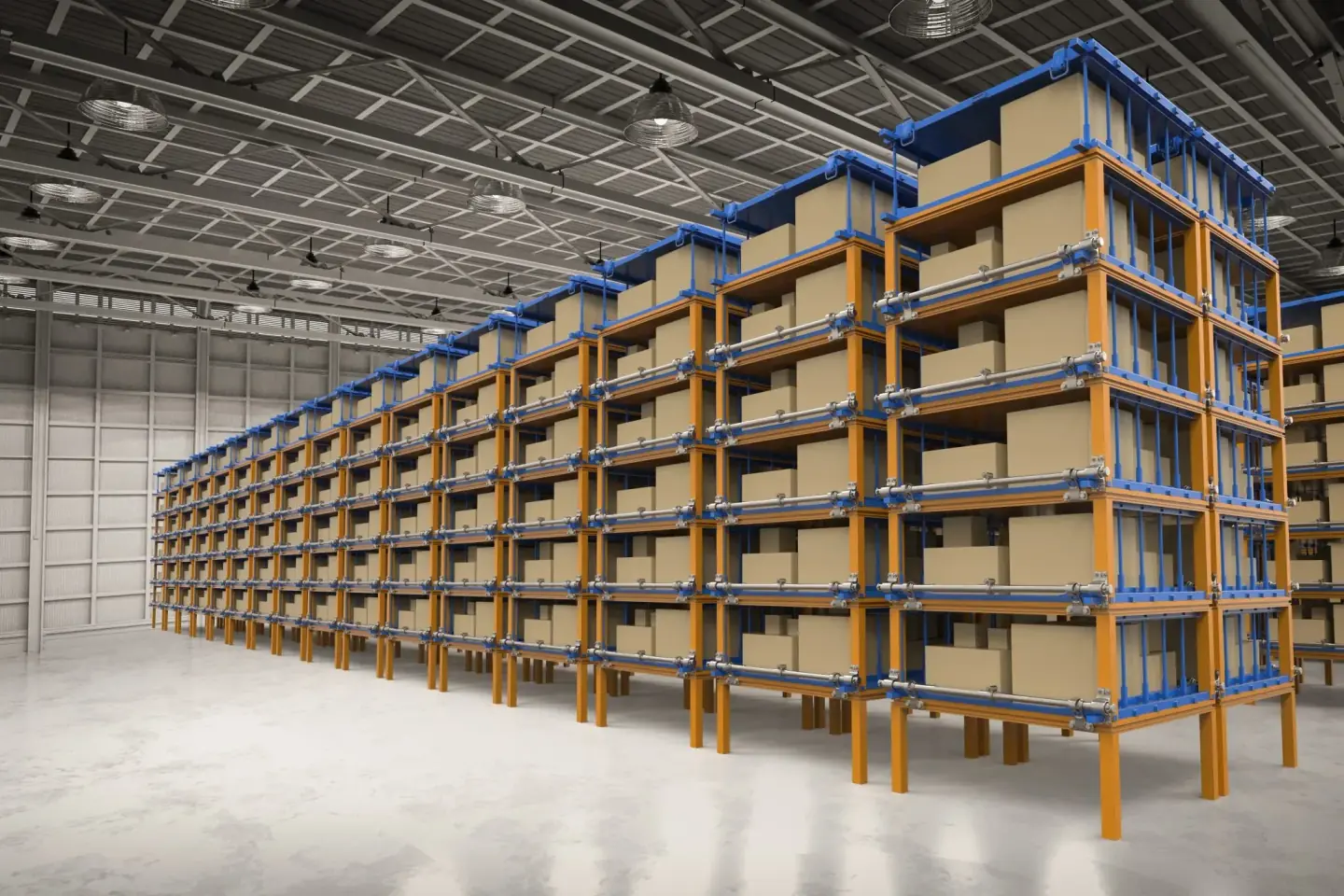
Cypress TX
View Services →
Tomball TX
View Services →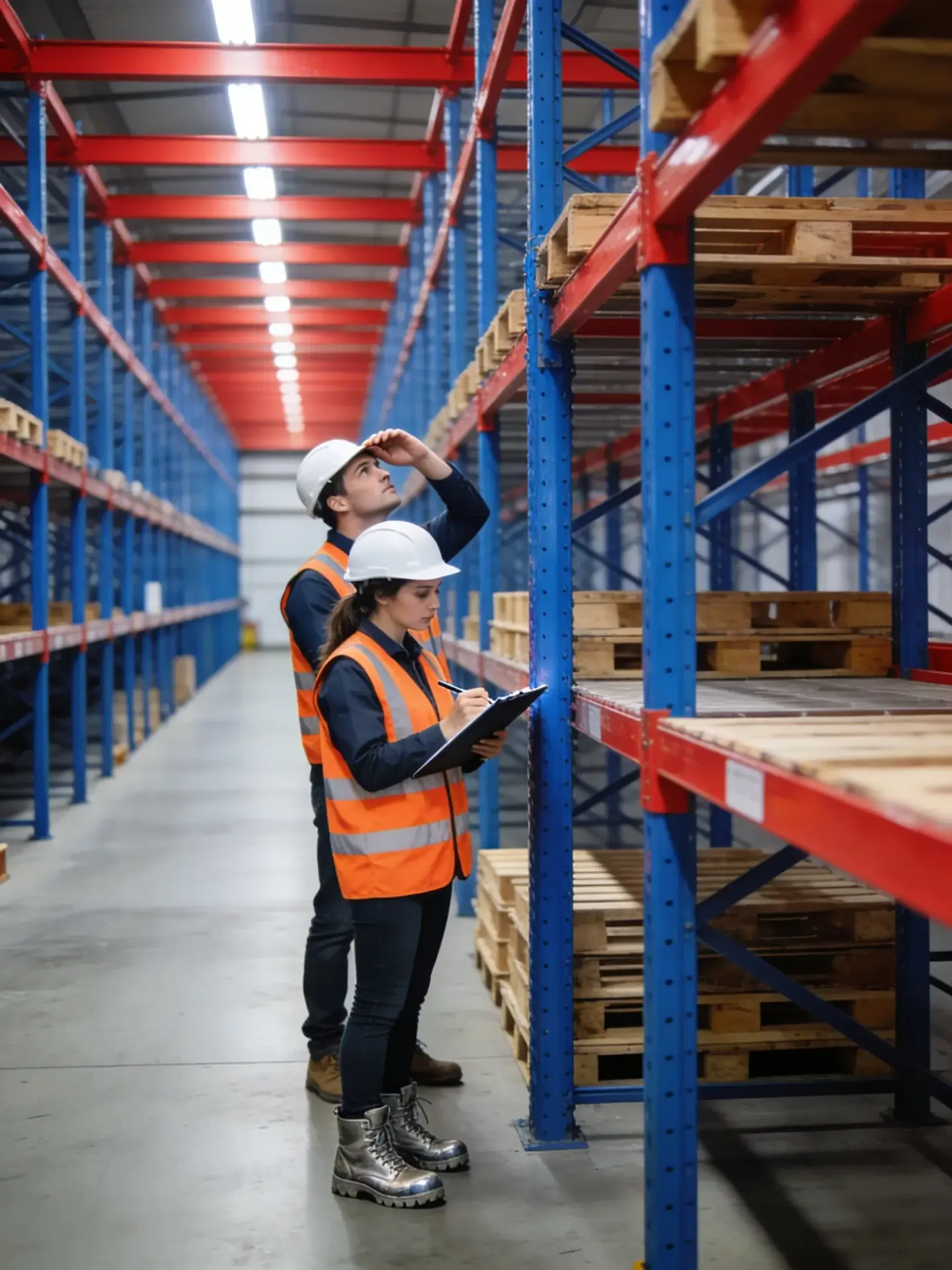
Spring TX
View Services →Conroe TX
View Services →Humble TX
View Services →Stafford TX
View Services →Rosenberg TX
View Services →